
How to Choose a Peptide Compounding Pharmacy You Can Trust

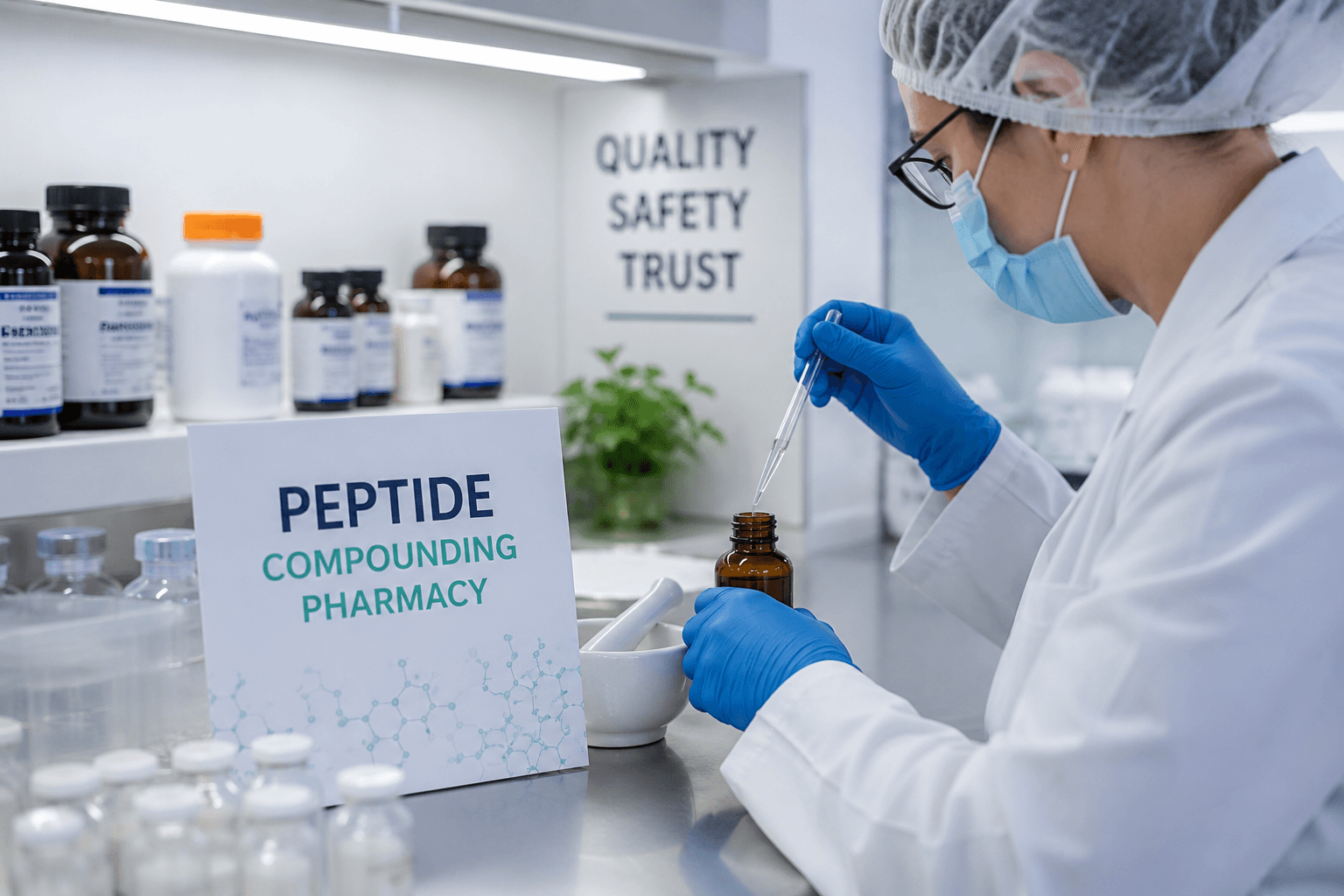
If you’ve spent any time researching peptide suppliers, you already know the problem: the market is flooded with vendors, and not all of them are operating with the same standards. Some are genuine compounding pharmacies with lab-tested products. Others are little more than repackaging operations with a nice-looking website. For researchers, the difference matters. A mislabeled or contaminated vial doesn’t just waste money; it can compromise an entire study.
This guide walks through exactly what to look for when choosing a peptide compounding pharmacy, so you can order with confidence instead of guesswork.
Why the Pharmacy You Choose Matters More Than the Price
It’s tempting to sort suppliers by price and pick whatever’s cheapest. But peptides are sensitive compounds, and quality issues aren’t always visible to the naked eye. A vial can look perfectly fine and still contain the wrong concentration, degraded peptide, or contaminants introduced during synthesis or packaging. The consequences show up later, in inconsistent results, failed reconstitution, or research data that can’t be trusted. Choosing the right pharmacy upfront is far cheaper than troubleshooting bad data down the line.
What to Look for in a Trustworthy Peptide Compounding Pharmacy
1. Independent Third-Party Lab Testing
This is the single most important factor. A pharmacy that stands behind its products will have every batch tested by an independent lab, not just an in-house quality check. Look for:
- A Certificate of Analysis (CoA) available for each batch, not just a generic one for the product line
- Testing that verifies both purity and actual peptide content (not just “no contaminants found”)
- A willingness to provide the CoA on request, without pushback
If a supplier can’t produce recent, batch-specific testing documents, that’s a red flag worth taking seriously.
2. Transparent Sourcing
Ask where the raw material comes from. Reputable compounding pharmacies work with established synthesis partners and are generally open about their supply chain, not because customers need the technical details, but because transparency signals confidence in the product. Vendors who dodge the question or give vague answers are usually hiding something.
3. Proper Licensing and Compliance
A legitimate compounding pharmacy operates within regulatory guidelines for research-use compounds. This includes:
- Clear labeling that products are for research use only
- Appropriate handling and storage practices
- A real, verifiable business address and contact information
You don’t need to become a regulatory expert, but a few minutes checking if a company has a physical presence and consistent contact details can save you from an anonymous storefront with no accountability.
4. Consistency Across Batches
One good batch doesn’t make a reliable pharmacy. Ask how they maintain consistency, same synthesis partner, same testing protocol, same storage standards every time. Researchers rely on reproducibility, and that starts with a supplier who treats every batch the same way, not just the ones they know are being scrutinized.
5. Proper Cold Chain and Discreet Shipping
Peptides are temperature-sensitive. A pharmacy that understands this will:
- Ship with appropriate packaging and, where needed, cold packs
- Use tracked, discreet shipping so orders arrive quickly and securely
- Have a clear policy for what happens if a shipment is delayed or mishandled in transit
If a company doesn’t mention shipping conditions anywhere on their site, ask directly before ordering.
6. Real Customer Support, Not Just a Storefront
Try reaching out with a question before you buy. Do you get a real, knowledgeable response, or a copy-paste answer that doesn’t actually address what you asked? A pharmacy with a genuine research focus will usually have staff who understand the compounds well enough to answer specific questions about purity, storage, or reconstitution.
7. Reviews and Reputation That Hold Up
Look beyond the testimonials posted on the company’s own site. Check independent forums, research communities, and third-party review platforms. A pattern of consistent, verifiable feedback over time is far more telling than a handful of five-star quotes on a landing page.
Red Flags to Watch For | Peptide Compounding Pharmacy
- No Certificate of Analysis available, or one that’s clearly generic/outdated
- Prices dramatically lower than every other supplier for the same compound
- No verifiable business address or contact information
- Vague or evasive answers about sourcing and testing
- Pressure tactics like countdown timers or “only 2 left” urgency messaging
- Marketing language that blurs the line around research-use-only status
Questions to Ask Before You Order
- Can you provide a Certificate of Analysis for this specific batch?
- Who performs your third-party testing, and how often?
- What’s your shipping process for temperature-sensitive compounds?
- What happens if a product arrives damaged or doesn’t match its CoA?
- How long has your pharmacy been supplying this specific compound?
A supplier confident in their process won’t hesitate to answer any of these directly.
Final Thoughts Of Peptide Compounding Pharmacy
Choosing a peptide compounding pharmacy isn’t just about finding the lowest price or the fastest shipping; it’s about finding a partner you can rely on for consistent, verifiable quality, order after order. Independent testing, transparent sourcing, and real accountability are non-negotiable if your research depends on knowing exactly what’s in the vial. Take the time to vet your supplier the same way you’d vet any other part of your research process. It’s a small step that protects the integrity of everything that follows.
Cloud Pharmacy Care provides independently lab-tested research peptides and blends, with a Certificate of Analysis available on request for every batch. If you have questions about our sourcing, testing, or shipping process, reach out to our team; we’re happy to walk you through it.
Frequently Asked Questions
What is a peptide compounding pharmacy?
A peptide compounding pharmacy prepares peptide products according to specific formulations, typically for research purposes, rather than mass-manufacturing a fixed commercial product line.
How do I know if a peptide supplier is legitimate?
Look for independent third-party lab testing with batch-specific Certificates of Analysis, transparent sourcing information, a verifiable business address, and consistent, responsive customer support.
Why is third-party testing more trustworthy than in-house testing?
In-house testing is performed by the same company selling the product, which creates a potential conflict of interest. Independent labs have no financial stake in the results, making their findings more reliable.
What should a Certificate of Analysis include?
A proper CoA should show purity percentage, verified peptide content, and testing methodology (such as HPLC or mass spectrometry), and it should correspond to the specific batch you’re purchasing, not a generic template.
